

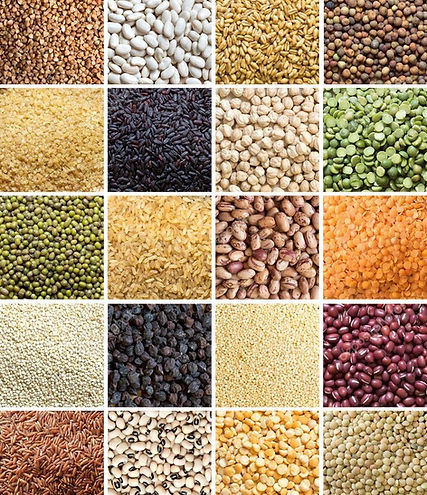
Pulses Manufacturer and Exporter
Pulses are the dried, edible seeds of legume plants. They grow inside pods and naturally come in multiple shapes, sizes, and colors. Unlike green vegetables that are harvested fresh, pulses are harvested only when fully dried, making them ideal for long-term storage, processing, and international trade.
Commonly known pulses include lentils, chickpeas, dry peas, pigeon peas, cow peas, kidney beans, moong, urad, and many more. Pulses are globally valued for being an excellent source of plant-based protein, dietary fibre, iron, folate, zinc, potassium, and magnesium. Their rich nutritional profile, low fat content, and slow-digesting carbohydrates make them essential for a healthy and balanced diet.
GONNABALL ENTERPRISE is a trusted exporter of premium-quality whole and split pulses, supplying clean, hygienically processed, and sortex-graded products to customers worldwide.
We cater to the global market, exporting pulses and lentils to 50+ countries, including the USA, UK, Germany, Netherlands, Russia, China, Brazil, UAE, Saudi Arabia, Qatar, Oman, Australia, South America, Africa, and across Asia & Europe.
With strict quality standards, reliable packaging, and commitment to on-time shipments, GONNABALL ENTERPRISE ensures that customers receive the finest pulses grown and processed in India.

1. Masoor Dal (Red Lentils)
Masoor Dal is one of the fastest-cooking lentils, known for its mild, earthy flavour and high protein content. Rich in iron, folate, and fibre, it supports heart health, boosts energy, and improves digestion. It is widely used in soups, curries, purees, ready-to-eat meals, and global food processing industries.


2. Chana Dal (Chickpea Split)
Chana Dal is made from split brown chickpeas and is valued for its rich taste and firm texture. Packed with protein, fibre, and minerals, it helps maintain stable blood sugar levels and promotes digestive health. Commonly used in dals, snacks, sweets, flours (besan), and traditional dishes.
3. White Chickpeas (Kabuli Chana)
Kabuli Chana is a premium variety of chickpeas known for its creamy texture and nutty flavour. High in protein, vitamins, and antioxidants, it supports heart health and immunity. It is widely used in hummus, salads, curries, roasted snacks, and Mediterranean, Middle Eastern, and Indian cuisines.

4. Brown Chickpeas (Desi Chana)
Desi Chana is a nutrient-dense pulse rich in fibre, potassium, and plant protein. Its low glycemic index makes it ideal for diabetic-friendly diets. It is used in traditional curries, flours (sattu), sprouts, snacks, and protein-rich food formulations.
5. Urad Dal (Black Gram)
Urad Dal is known for its creamy texture and high protein content. It is excellent for bone strength, digestion, and muscle development. Commonly used for making dosa, idli, dal makhani, vadas, and lentil-based flour blends.


6. Moong Dal (Green Gram)
Moong Dal is a light, easily digestible pulse rich in vitamins, protein, and antioxidants. It supports weight management, immunity, and gut health. It is widely used in soups, khichdi, sprouts, desserts, savoury snacks, and baby food products.
7. Toor Dal (Arhar Dal / Pigeon Peas)
Toor Dal is one of India’s most consumed pulses, known for its mild flavour and smooth texture. Rich in potassium, protein, and folate, it supports heart health and daily nutrition. It is used in traditional dals, curries, ready-mix powders, and processed food industries.
8. Rajma (Kidney Beans)
Rajma is a protein-packed bean popular for its rich, hearty taste. Loaded with fibre, antioxidants, and minerals, it promotes stable energy levels and supports digestive health. It is used in curries, salads, canned foods, Tex-Mex dishes, and protein-rich veg diets.


9. Lobia (Cowpea / Black-Eyed Beans)
Lobia is rich in protein, fibre, iron, and B-vitamins. It helps regulate cholesterol and supports gut health. It is used in soups, stews, curries, snacks, and African, Middle Eastern, and Asian cuisines.


10. Matar (Dry Peas)
Dry peas are high in fibre, protein, and essential minerals. They are known for supporting heart health and digestion. Used globally in soups, purees, snacks, flour blends, and processed food industries.
11. Kulthi (Horse Gram / Kulith)
Horse Gram is a powerhouse pulse rich in protein, iron, and antioxidants. It is known for its medicinal benefits, including detoxification and supporting weight loss. Used in traditional dishes, soups, flours, and Ayurvedic nutrition.

Country of Origin
India
Harvest Period
-
Color
-
Packaging
10 KG , 22.68 KG, 25 KG Multiwall Paper Bags; 1 MT Tote bags
Labeling
Private labeling as per buyers need
Shelf Life
12 Months from Production Date
GMO Status
GMO Free
Specification
Detailed Specification on Request
20 Feet
Quantity : 22MT
40 Feet
Quantity : 26MT
-
Add them to salads or veggie-grain bowls.
-
Use to make tasty spreads and dips.
-
Add them to smoothies for extra thickness and nutrition
-
Use as a spread in wraps or on top of tacos or quesadillas
-
Use them in soups either whole or pureed
FOQs
Q- What are pulses and lentils? A- Pulses are the dry, edible seeds of legumes, including lentils, beans, peas, and chickpeas. Lentils: A particular kind of pulse that is tiny, lens-shaped, and comes in a variety of colors, including red, green, brown, and black.
Q- What is the difference between pulses and lentils? A- Pulses is a broad category that includes all dried edible seeds of legumes (beans, peas, chickpeas, lentils). Lentils are just one subgroup within pulses, distinguished by their lens-like shape and quick cooking time.
Q- Why are pulses and lentils considered a superfood? A- They are rich in nutrients and offer: Superior plant-based protein High dietary fiber, which promotes heart health and digestion They are appropriate for blood sugar regulation due to their low glycemic index. Vital minerals and vitamins (potassium, magnesium, folate, and iron) Antioxidants that promote general well-being. Because they are affordable, versatile, and highly nutritious, they are often called a superfood.
Q- What are the most commonly consumed types of lentils? A- Red lentils (Masoor dal) – quick cooking, mildly sweet Green lentils – firm texture, earthy flavor Brown lentils – versatile, commonly used in soups Black lentils (Urad dal or Beluga lentils) – rich and hearty Yellow lentils (Moong dal, Toor dal, Chana dal) – widely used in Indian cuisine
Q- Can pulses and lentils be consumed daily? A- Yes, they can and should be part of a balanced diet. Consuming ½ to 1 cup (100–200 g) cooked pulses/lentils daily is safe for most adults and provides excellent nutrition. However, people with digestive sensitivities may need to start with smaller portions.